
Understanding the psychological triggers behind your gambling behavior
The Allure of Risk and Reward
The psychological appeal of gambling often lies in the thrill of risk and the potential for substantial rewards. This interplay activates the brain’s reward system, releasing dopamine—the neurotransmitter associated with pleasure and satisfaction. When a player wins, even a small amount, it reinforces the behavior, making them more likely to gamble again in hopes of experiencing that rush. This cycle can create a profound desire to chase losses, leading to more frequent gambling sessions. Online platforms like maneki casino offer exciting options for those drawn to this risk-reward dynamic.

Moreover, the unpredictable nature of gambling—where wins are sporadic and often coupled with losses—creates an environment ripe for what psychologists call “intermittent reinforcement.” This means that the sporadic wins make players more emotionally invested and engaged, solidifying their habits and increasing the likelihood of returning to the gambling venue, whether online or in person.
The Influence of Environment
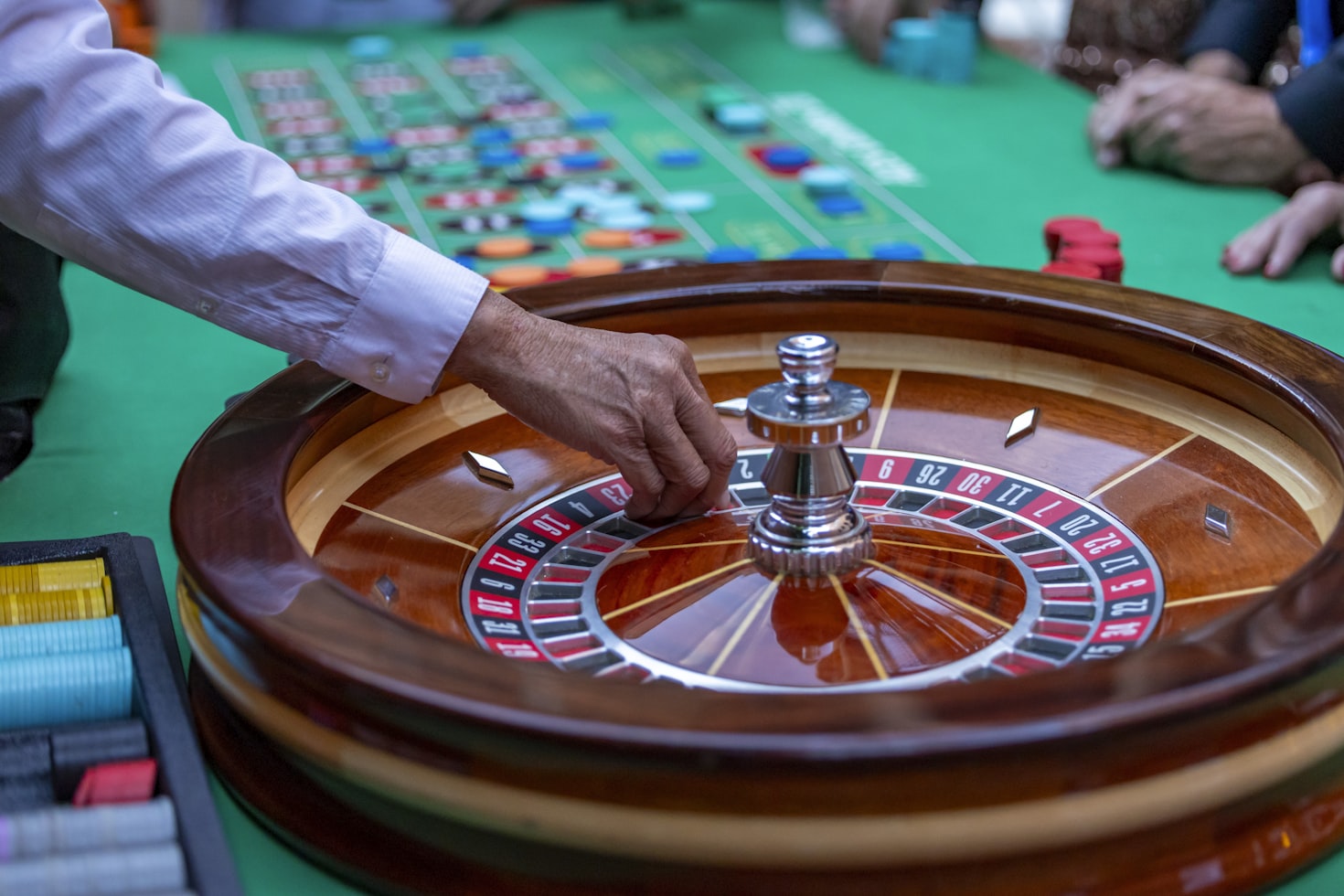
The environment in which gambling occurs plays a significant role in influencing behavior. For example, land-based casinos are designed to stimulate and entice, featuring bright lights, vibrant sounds, and an atmosphere that encourages excitement. These sensory experiences can heighten emotional responses, making gambling more appealing and leading to a greater likelihood of risky behavior.
In contrast, online gambling environments offer their own unique triggers. The convenience of accessing games from home can lead to impulsive gambling, as players are just a click away from betting. The absence of physical cues found in land-based venues can also create a disconnection from the consequences of gambling, making it easier to lose track of time and money spent.
Emotional States and Gambling
Gambling behavior is often closely linked to emotional states. Many individuals gamble to escape negative feelings, such as stress or anxiety. Engaging in gambling can provide a temporary reprieve, creating a cycle where players feel compelled to return to gambling whenever they experience emotional distress.
On the other hand, positive emotional states can also drive gambling behavior. Players may feel invincible after a win, leading to a belief that they can continue to replicate their success. This emotional high can cloud judgment, making individuals more likely to take risks they might otherwise avoid.
Addiction and Compulsive Behavior
Understanding the psychological mechanisms behind gambling also involves recognizing the risks of addiction. Gambling can lead to compulsive behavior, where players feel unable to stop despite negative consequences. The thrill of the gamble and the hope of winning can override rational decision-making processes, pushing individuals deeper into problematic gambling.
Psychologists often explore the role of cognitive distortions in gambling addiction. For instance, the “gambler’s fallacy” leads individuals to believe that past losses must be compensated by future wins, perpetuating a cycle of betting that can be difficult to break. Recognizing these thought patterns is crucial for those seeking to understand their gambling behavior and make positive changes.
Join Maneki Casino for a Responsible Gaming Experience
Maneki Casino is committed to providing a secure and enjoyable online gaming environment. With a diverse array of games, including slots and live casino options, players can indulge in their favorite activities while being mindful of their gambling behavior. Our platform promotes responsible gaming, encouraging players to set limits and play within their means.
By understanding the psychological triggers behind gambling, players can make informed choices that enhance their experience. At Maneki Casino, we prioritize player safety and offer resources to help individuals engage with gambling responsibly, ensuring that fun remains the focus without compromising well-being.